
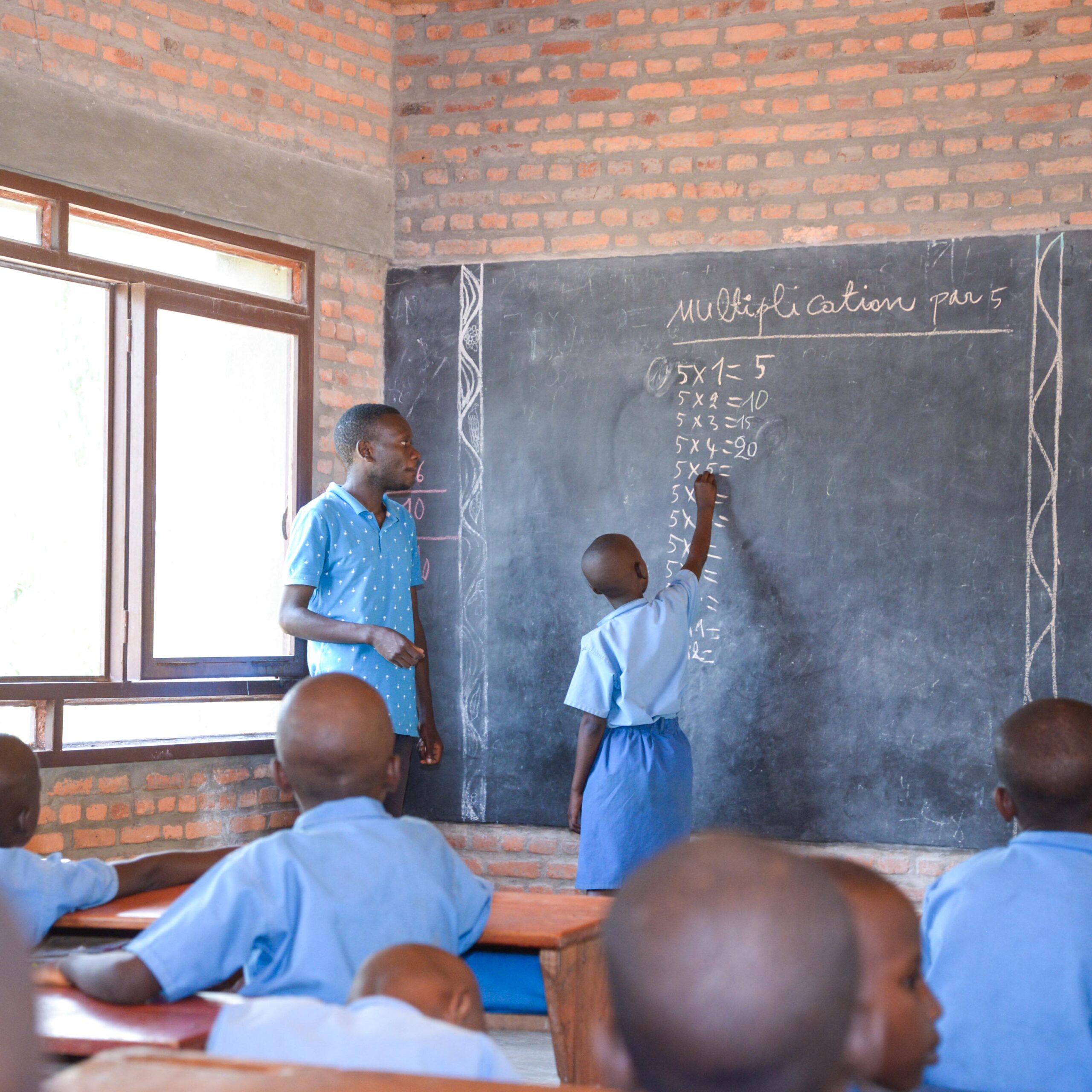
KWIZERA ACADEMY
The school’s mission is to ‘Motivate and Raise up a generation of community transformers. We believe that the best way to break the back of despair and crack open the possibilities of a new kind of life in rural Burundi hinges on the prospects of each child.
More Information 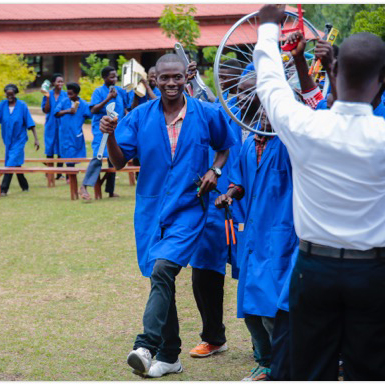
KWIZERA TRADE SCHOOL
Our Trade Schools mission statement is ‘Promoting Self-Reliance and Economic growth’.
The trade skills to be taught are all potential Income Generating Activities within the community and surrounding marketplaces. They are taught to beneficiaries who are willing and ready to work hard to learn.
More Information 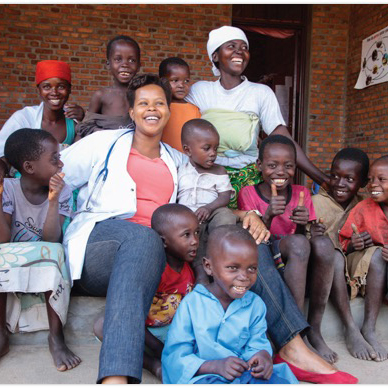
LAURA SHOOK HEALTH CENTER
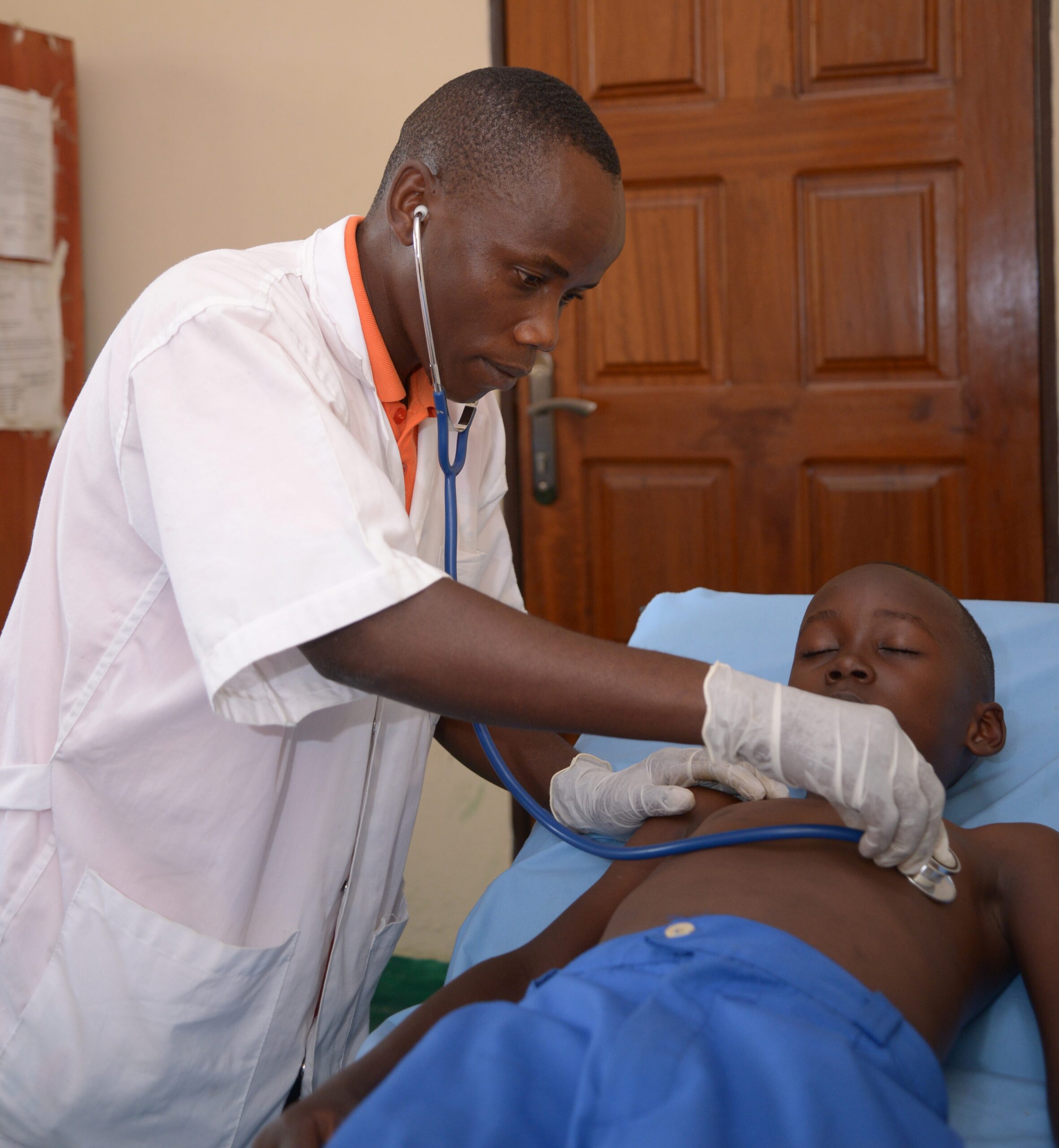
This is our health initiative in honor of Laura Shook – her passionate care for children and, as a nurse, her concern for their health as they grow. This center focuses on the first 1000 days in the life of every child in the community.
More Information 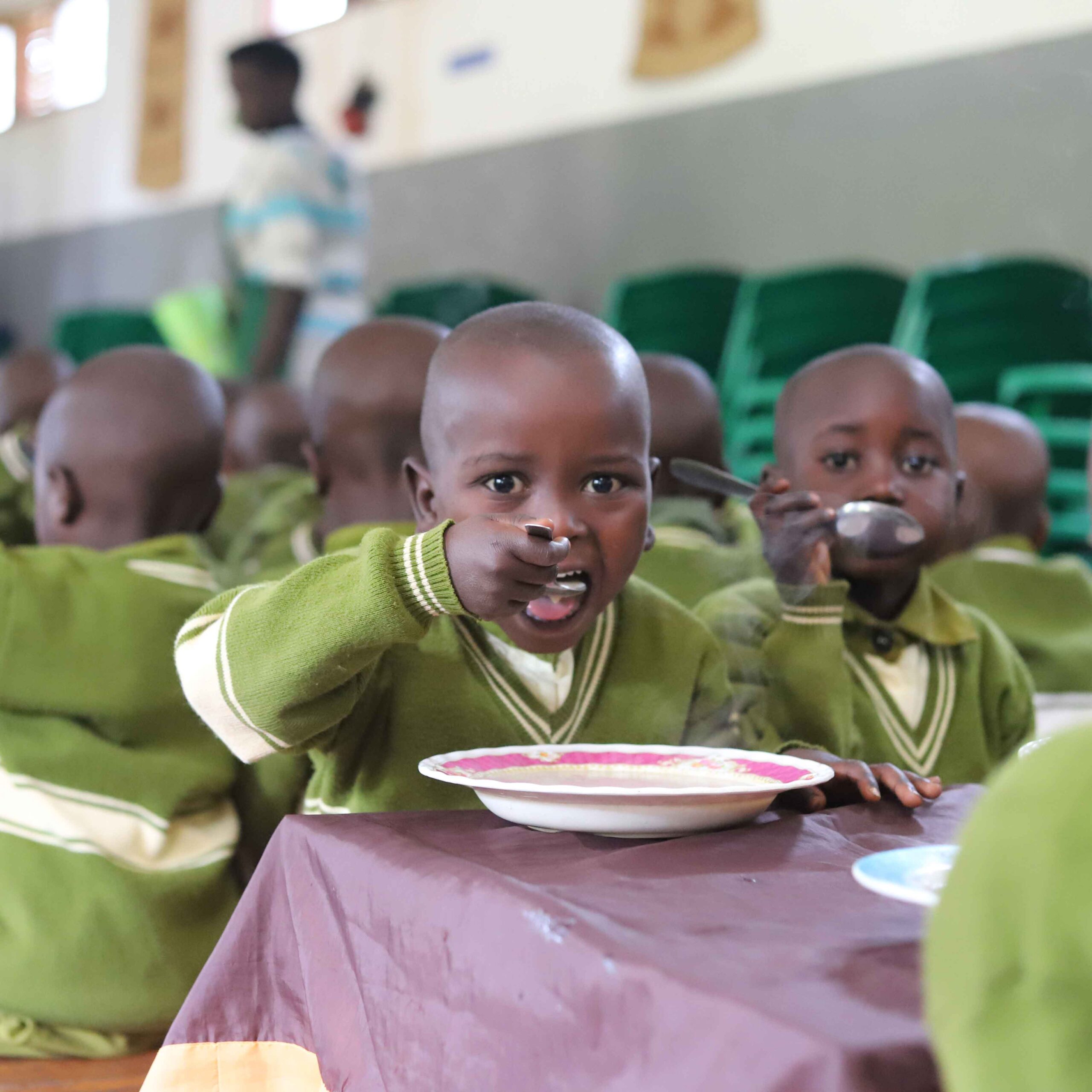
ONE CUP A DAY FEEDING COMPAIGN
Burundi’s malnutrition numbers are alarming and we have been addressing this challenge for the last four years.
More Information 
KAZOZA FINANCE
We provide access to financial solutions empowering thousands who are unbanked to transform their lives, their children’s future and their Communities.
More Information 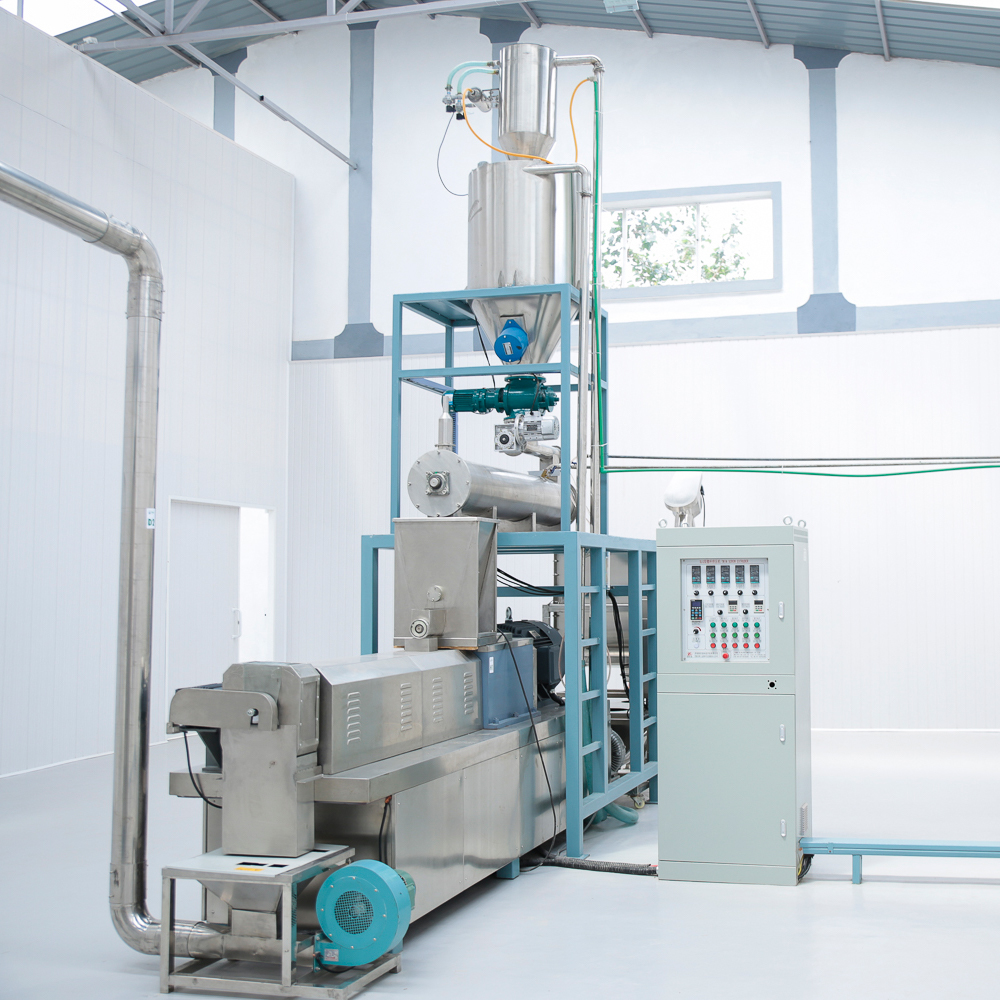
BURUNDI FORTIFIIED FOODS
Burundi Fortified Foods (BFF) is our initiative that seeks to help people maximize their potential through improved nutrition with affordable, high quality, locally produced foods.
More Information 
KAZOZA RADIO & TV
Communities of Hope uses Kazoza TV & Radio as a platform to deliver local and practical resources to young entrepreneurs across Burundi & beyond.
More Information